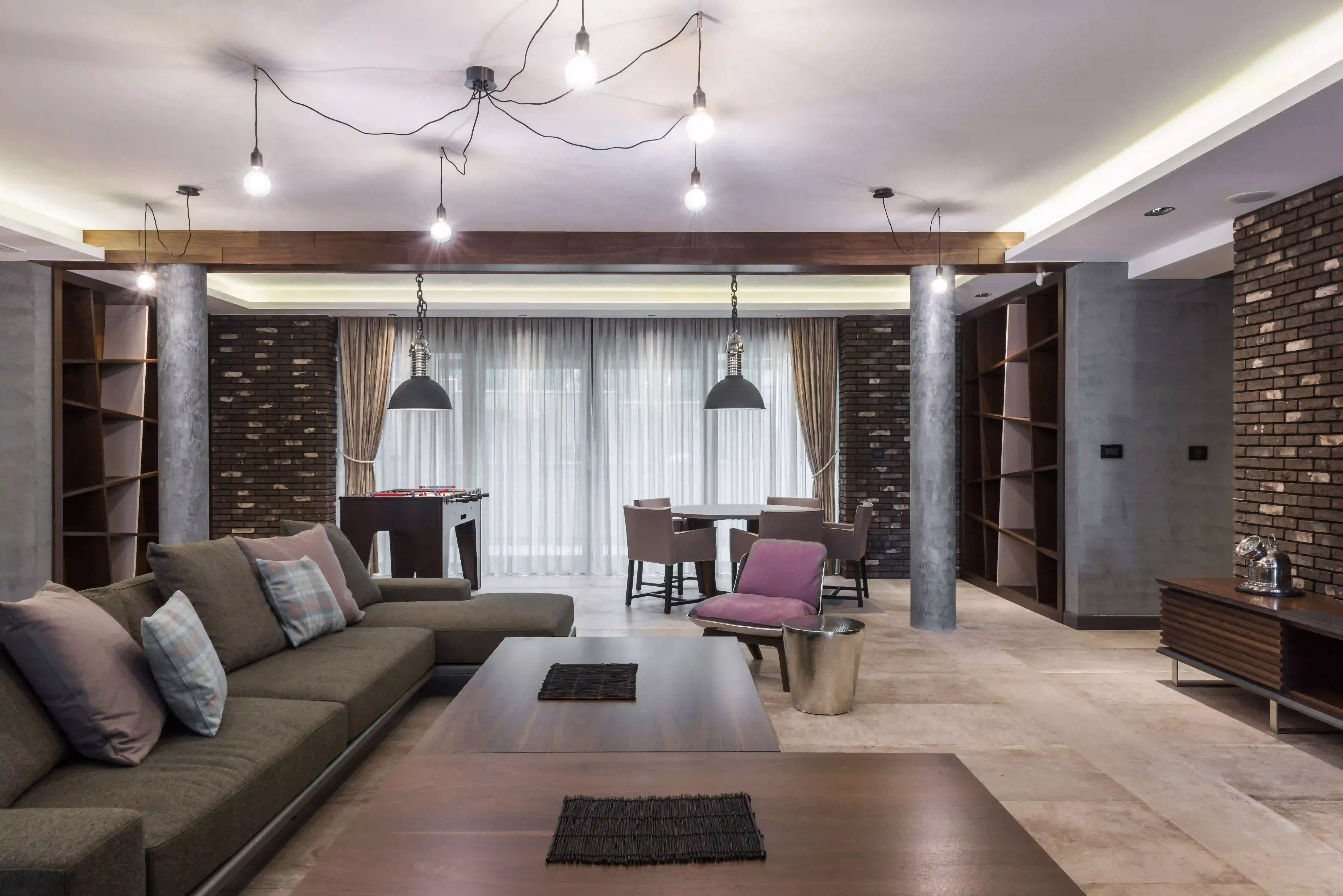

Renovating your home is exciting. New layouts, better storage, a kitchen that finally works the way you need it to. But the excitement can fade fast once you start spending money on each renovation item.
If you’ve ever started a renovation with a clear budget and ended up spending way more than planned, you’re not alone. It happens to almost everyone, and it’s rarely because people are careless with money. It usually comes down to a few small planning mistakes that add up over time.
Here’s how to plan a home renovation that actually stays within budget, without cutting corners on quality.
Start With a Realistic Budget, Not a Hopeful One
Most budget overruns start at the very beginning; people often set a budget based on what they’d like to spend, not what the project will actually cost.
Before you plan anything, get a rough idea of what similar renovations cost in your area. Talk to a contractor or designer early, even before you’ve finalised your design ideas. They can tell you what’s realistic for your space and give you a range to work with.
Once you have a number, add a buffer. A good rule is to keep 10 to 15 per cent of your total budget aside for unexpected costs. Renovations almost always uncover something you didn’t plan for, whether it’s outdated wiring, plumbing issues, or structural changes needed to fit your new layout.
Know the Difference Between Needs and Wants
When you renovate, you usually end up with two types of items. Some are truly needed. Others are nice extras.
Sit down before the project begins and separate the two. Your needs might include better storage, updated appliances, or fixing a layout that doesn’t work for your daily routine. Your wants might be a specific countertop material, a particular finish, or extra features that look great but aren’t essential.
This doesn’t mean you have to give up on the things you want. It just means you’ll know exactly where you can spend a little more and where it makes sense to save.
Get a Detailed Quote, Not a Rough Estimate
An improper quote is one of the biggest reasons renovation costs spiral out of control. If a quote doesn’t break down labour, materials, fixtures, and any additional work separately, it’s hard to know where your money is actually going.
Ask for a detailed breakdown before you approve anything. This helps you spot where costs are coming from and gives you room to make adjustments if something feels too high.
A company that gives proper and accurate costs from the start is usually a good sign that they’ll stay upfront throughout the project too.
Plan the Layout

It’s easy to get caught up in choosing tiles, cabinet colours, and countertop materials before the layout itself is finalised. But changing a layout partway through a project is one of the most expensive mistakes you can make.
Work out the layout first. Think about how you use the space, where the appliances need to go, and how much storage you actually need. Once that’s settled, move on to finishes and materials. This order saves money because it avoids rework, and it also means the finishes you pick will actually suit the space instead of being chosen in isolation.
Avoid Making Changes Mid-Project
Once construction starts, changing your mind about anything, even something small, usually costs more than it would have if you’d decided on it earlier. Moving a socket, shifting a cabinet by a few inches, or swapping a material halfway through often means undoing work that’s already been completed.
This is why the planning stage matters so much. The more decisions you make before work begins, the fewer costly changes you’ll need to make once it’s underway.
If you do need to make a change, ask about the cost impact before saying yes. A good contractor will walk you through it honestly instead of just adding it to the bill.
Work With a Team That Understands Your Space and Budget
The right renovation partner will help you stay on budget, not just quote a price and disappear. Look for a team that takes the time to understand your space, asks about your priorities, and gives you options instead of a single fixed plan.
At Kitchenscape, we work with homeowners across Dubai to plan renovations that fit both their space and their budget, from full kitchen remodels to smaller apartment updates. We believe good planning is what makes the difference between a renovation that stays on track and one that runs away from you.
Final Thoughts
A successful renovation is not about choosing the cheapest option at every step. It is about spending wisely, setting realistic priorities, and keeping a close eye on the budget from start to finish. When you plan, allow room for unexpected costs, and work with the right renovation team, you can create a space that looks and feels the way you imagined without putting unnecessary pressure on your finances. With the right approach, your dream renovation can be both beautiful and financially manageable.