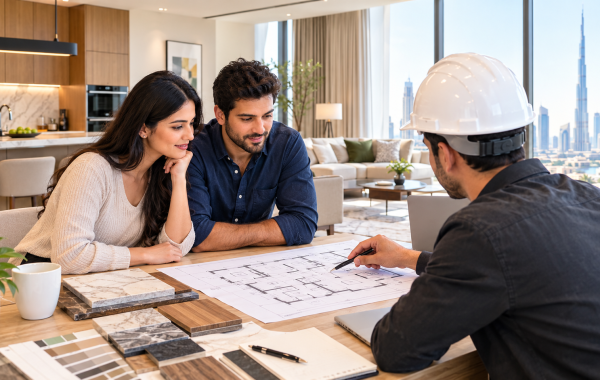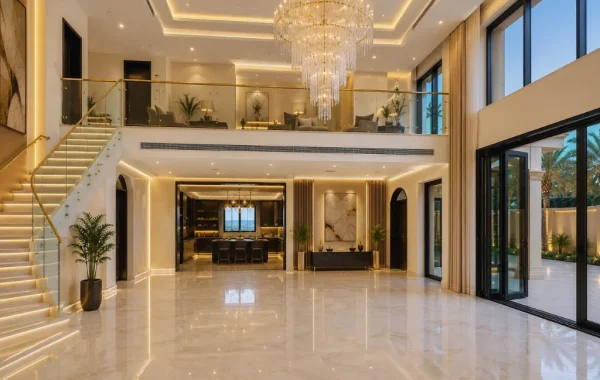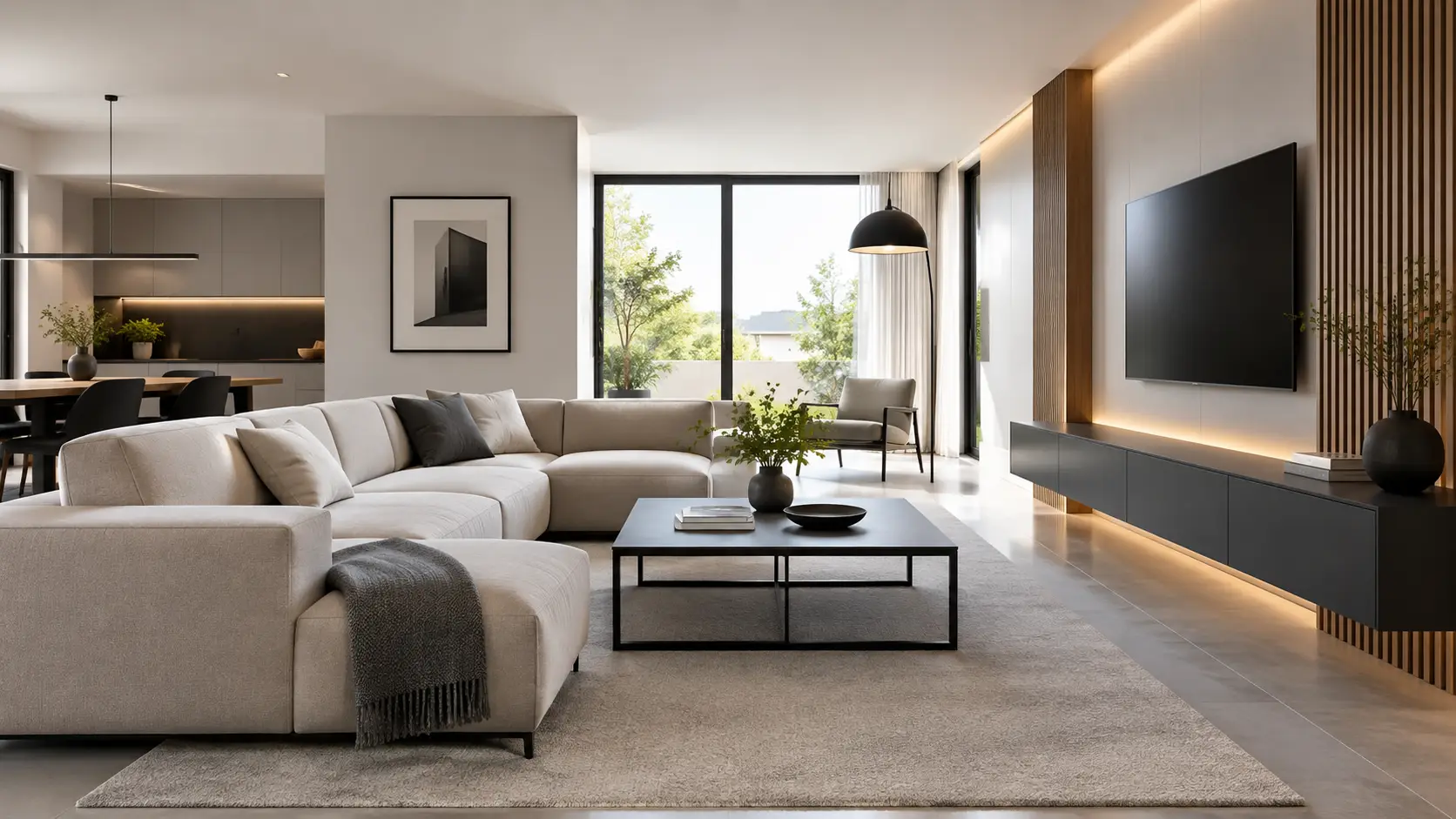

Step into a well-designed German-style home, and what strikes you first is what’s absent. There’s no clutter, no unnecessary flourish, no design choice that hasn’t earned its place. That restraint is the essence of the style, and it’s precisely why so many homeowners across the UAE are drawn to it today. German interior design has always prioritized function above all else, but it has recently found renewed relevance as one of the most sought-after minimalist aesthetics for modern homes.
What Makes German-Style Interiors Different
German design has deep roots in the Bauhaus movement, a school of thought that treated form and function as one and the same. Nothing was added purely for decoration. If a piece didn’t serve a purpose, it didn’t belong in the room. That philosophy still shapes how German interiors look today, clean lines, honest materials, and a real sense of order in every corner.
A few things tend to stand out in this style:
- Neutral color palettes, usually whites, greys, and soft browns
- High-quality materials like solid wood, matte laminates, and brushed metal
- Hidden storage that keeps surfaces clear
- Precise, almost engineered attention to detail
- A layout that feels open but never empty
None of this is about being cold or plain. It’s about giving every item in the room a reason to be there.
Why This Look Works So Well in Modern Homes
Minimalism isn’t a new trend, but German-style minimalism brings something a little more grounded to it. It’s less about aesthetics for the sake of aesthetics and more about how a space actually gets used day to day. That’s a big reason it fits so naturally into apartments and villas across Dubai, where families want a home renovation that looks polished but also holds up to real life.
There’s also a practical side that’s easy to overlook. German-engineered furniture and cabinetry are usually built to exact measurements, with hardware designed to last years without wear. Drawers close softly. Doors align perfectly. It’s the kind of quality you notice more the longer you live with it, not less.
The Kitchen Is Where It All Comes Together
If there’s one room where German design philosophy really shows, it’s the kitchen. German kitchen brands are known worldwide for smart storage systems, integrated appliances, and layouts that make even a small space feel efficient. Every cabinet has a job. Every drawer is designed around how people actually cook and move around the room.
This is also where the minimalist look tends to shine the most. Handleless cabinets, flush surfaces, and a tight color scheme give the kitchen a calm, uncluttered feel, while smart internal organization keeps everything within reach. For homeowners exploring this style, a good place to start is looking at how a modern kitchen design can bring these same minimalist principles into everyday cooking spaces.
Bringing German Minimalism Into the Rest of the Home
While kitchens are the most obvious example, the same thinking can carry through the whole house. A few ways homeowners are applying it:
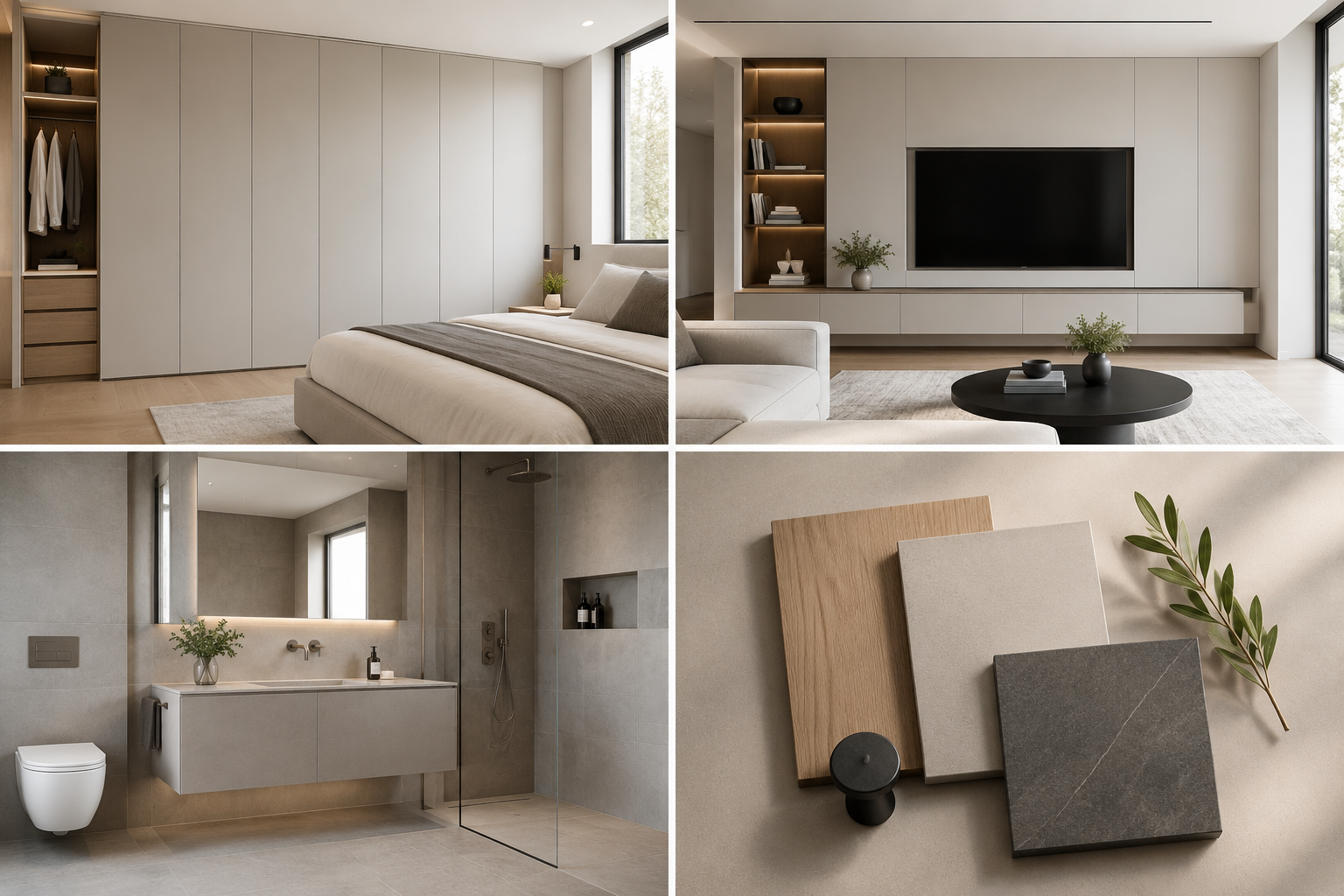
- Wardrobes and storage – Built-in wardrobes with clean fronts and no visible handles keep bedrooms looking uncluttered, while internal drawers and shelving do the heavy lifting.
- Living areas – Fewer standalone furniture pieces, more built-in units that blend into the wall, and lighting that’s functional rather than decorative.
- Bathrooms – Simple vanities, matte finishes, and hidden plumbing fixtures that keep the space looking streamlined.
- Materials – Sticking to two or three finishes throughout the home, rather than mixing too many textures and tones, helps the whole space feel connected.
The goal isn’t to strip a home of personality. It’s to let the few design choices you do make stand out, instead of getting lost in visual noise.
Practical Tips for Getting the Look Right
A few things worth keeping in mind if you’re planning a German-inspired renovation:
- Start with the layout before picking finishes. German design is built around function, so the floor plan matters more than the color palette.
- Invest in quality hardware. Soft-close hinges and precision-engineered drawers make a noticeable difference in daily use.
- Keep the palette limited. Two or three tones, used consistently, will look far more intentional than a dozen scattered choices.
- Prioritize storage that’s built in rather than added on. This is what keeps surfaces clear and rooms looking calm.
- Don’t confuse minimal with cheap. The style relies on solid materials and careful construction, which usually means investing a bit more upfront.
Is This Style Right for Your Home?
German-style minimalism suits people who want a home that feels calm and organized without sacrificing quality. It works particularly well for smaller apartments where smart storage matters, but it scales just as easily into larger villas that want a more refined, less cluttered feel.
If you’re renovating a kitchen or rethinking your home’s overall layout, it helps to work with a team that understands both the design language and the practical side of custom cabinetry. A well-planned kitchen remodeling project can be the starting point for bringing this minimalist, German-inspired approach into the rest of your home.
Final Thoughts
German-style interiors aren’t about following a trend, they’re about designing a home that works as well as it looks. Clean lines, honest materials, and thoughtful storage come together to create spaces that feel calm rather than empty. If that’s the kind of home you’re aiming for, it’s worth exploring how these principles could shape your next renovation. You can always get in touch with the kitchenscape team to talk through what this look could bring to your space.